
Engine

Engines play a vital role in powering a wide range of applications, from marine vessels to industrial machinery. Designed for high performance and durability, modern engines deliver reliable power output even in the most demanding environments. Whether used in marine operations or industrial setups, engines ensure smooth and efficient functioning.

Our range includes marine engines, industrial engines, and small HP engines (4 to 20 HP), suitable for diverse applications. These engines are engineered with advanced technology to provide excellent fuel efficiency, reduced emissions, and long operational life, making them a cost-effective solution for businesses.

We deal with trusted brands like Kirloskar, known for their robust build quality and consistent performance. Each engine is manufactured to meet industry standards, ensuring reliability, safety, and efficiency across different operating conditions.

Marine engines are specifically designed to withstand harsh sea environments, offering corrosion resistance and reliable performance on water. On the other hand, industrial engines are built for heavy-duty applications, providing continuous power for machinery, generators, and equipment.

With a focus on quality and customer satisfaction, we provide customized engine solutions based on specific requirements. From selection to support, our expert team ensures you get the right engine for maximum performance, efficiency, and long-term reliability.

marine

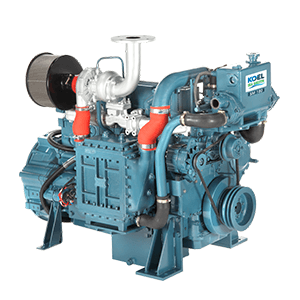
Marine Engine

Marine engines are specially designed for water-based operations, offering high durability and corrosion resistance. These engines deliver reliable performance in harsh marine environments and are ideal for boats, ships, and fishing vessels. With efficient fuel consumption and strong build quality, marine engines ensure smooth and continuous operation.
industrial

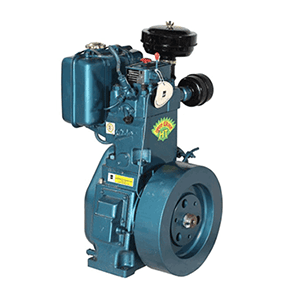
Industrial Engine

Industrial engines are built for heavy-duty applications and continuous performance in demanding environments. They are widely used in generators, construction equipment, and manufacturing units. Known for their power, reliability, and efficiency, industrial engines provide consistent output with low maintenance requirements.
4to20

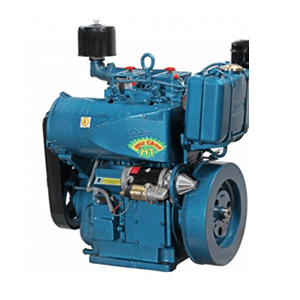
4 to 20 HP Engine

4 to 20 HP engines are compact and versatile, suitable for small-scale and light-duty applications. These engines are commonly used in agriculture, small machinery, water pumps, and backup systems. They offer excellent fuel efficiency, easy operation, and dependable performance for everyday use.

Benefits of Engines

  • High performance and reliable power output
  • Fuel-efficient operation reducing running costs
  • Durable and robust design for long lifespan
  • Suitable for both marine and industrial applications
  • Low maintenance with easy servicing
  • Consistent performance in harsh environments
  • Advanced technology for improved efficiency
  • Available in multiple power ranges (4 HP to high capacity)
  • Reduced emissions and eco-friendly operation
  • Trusted brands ensuring quality and reliability

Applications of Engines

  • Marine vessels and fishing boats
  • Industrial machinery and equipment
  • Power generation and generator sets
  • Agricultural equipment and irrigation systems
  • Construction and heavy-duty machines
  • Small-scale industrial operations
  • Commercial and utility applications
  • Backup power solutions
  • Transport and material handling equipment
  • Workshops and manufacturing units

FAQ of Transformer

1. What is an engine?

An engine is a mechanical device that converts fuel into energy to generate power for industrial, marine, and commercial applications.

2. What types of engines are available?

Common types include marine engines, industrial engines, and small horsepower engines (4 to 20 HP), each designed for specific applications.

3. Where are engines used?

Engines are widely used in generators, industrial machinery, marine vessels, agriculture equipment, and construction applications.

4. What is the difference between marine and industrial engines?

Marine engines are designed for water-based operations with corrosion resistance, while industrial engines are built for heavy-duty land-based applications.

5. How do engines improve performance?

High-quality engines provide efficient fuel combustion, stable power output, and reduced emissions, improving overall system performance.

6. Do engines require maintenance?

Yes, regular maintenance such as oil changes, filter replacement, and inspections is essential to ensure long life and efficient operation.

7. What is engine capacity?

Engine capacity refers to the power output or displacement, usually measured in horsepower (HP), indicating the engine's performance capability.

8. Are engines fuel efficient?

Modern engines are designed to be fuel-efficient, reducing fuel consumption while delivering maximum output.

9. Can engines be customized?

Yes, engines can be customized based on application, power requirements, fuel type, and operating conditions.

10. What factors should be considered while selecting an engine?

Key factors include power requirement, fuel efficiency, application type, durability, maintenance needs, and environmental conditions.

Scroll to Top