
Industrial Cables
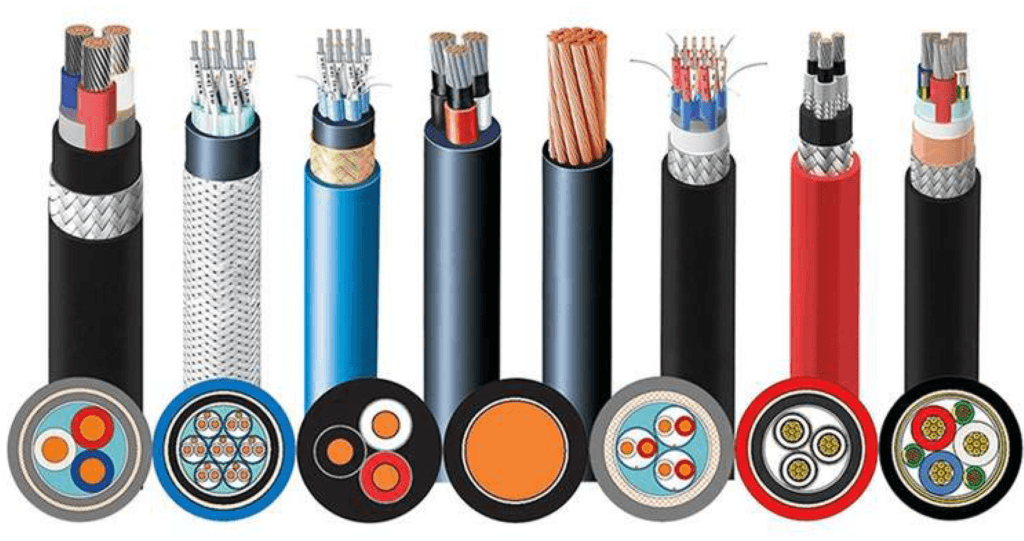
Industrial cables play a critical role in ensuring safe and efficient power transmission across various industrial applications. From manufacturing plants to infrastructure projects, these cables are designed to handle high electrical loads while maintaining durability and performance. Available in both armoured and unarmoured variants, industrial cables are built to withstand harsh environmental conditions, including heat, moisture, and mechanical stress.
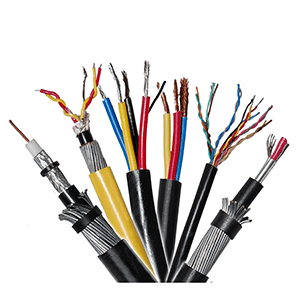
Our range of industrial cables includes power cables, control cables, and instrumentation cables that cater to diverse industrial needs. Power cables are used for transmitting electrical energy, while control cables are essential for automation systems and machinery operations. Instrumentation cables, on the other hand, ensure accurate signal transmission in sensitive environments, making them ideal for process industries and control panels.
We offer cables in various configurations such as multi-core, single-core, and flexible designs to suit different installation requirements. Whether it's twisted pair cables for communication, coaxial cables for signal transmission, or optical fiber cables for high-speed data transfer, our portfolio covers all essential cable types. Each cable is manufactured with high-quality conductors and insulation materials to ensure long-lasting performance.
Safety is a top priority, which is why our industrial cables comply with industry standards for fire resistance, flame retardancy, and low smoke emission. These features help minimize risks in case of fire hazards, making them suitable for critical installations like commercial buildings, factories, and power plants.
With a focus on quality and reliability, our industrial cables are engineered to deliver consistent performance even in demanding conditions. Whether you need cables for heavy-duty industrial use or specialized applications like marine, solar, or underground installations, we provide solutions that meet your exact requirements.
Power Cables
Power cables are used for efficient transmission and distribution of electrical energy in industrial and commercial applications. They are designed to handle high voltage loads with superior insulation. These cables ensure safe, reliable, and long-lasting performance.
Armoured Cables
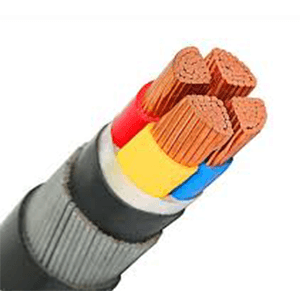
Armoured cables provide extra mechanical protection with a steel or aluminum layer, making them ideal for underground and harsh environments. They resist physical damage, moisture, and external impact. These cables ensure durability and safety in critical installations.
Coaxial Cables
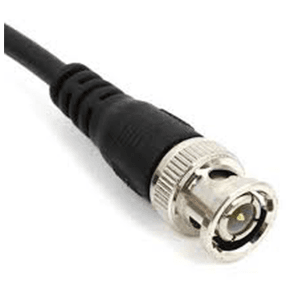
Coaxial cables are designed for high-frequency signal transmission with minimal interference and signal loss. They are widely used in communication systems, CCTV, and broadcasting applications. Their shielding ensures clear and stable signal quality.
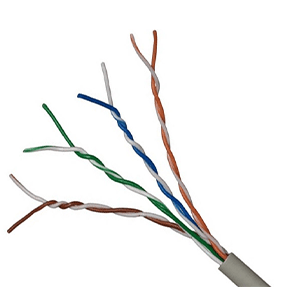
Twisted Pair Cable
Twisted pair cables consist of insulated wire pairs twisted together to reduce electromagnetic interference. They are commonly used in networking and telecommunication systems. These cables provide reliable data transmission with improved signal integrity.
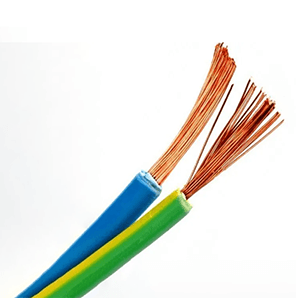
Flexible Cables
Flexible cables are specially designed for applications requiring constant movement and bending. They are widely used in machinery, robotics, and portable equipment. These cables offer high flexibility, durability, and resistance to wear and tear.
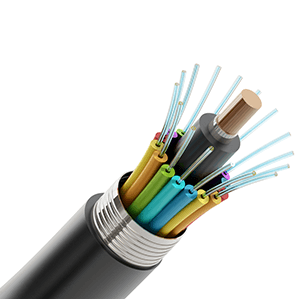
Optical Fiber Cables
Optical fiber cables transmit data as light signals, offering high-speed and long-distance communication. They are immune to electromagnetic interference and provide excellent bandwidth. These cables are ideal for modern networking and telecom infrastructure.
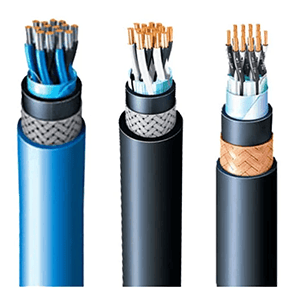
Marine Cables
Marine cables are designed to perform reliably in harsh sea environments with resistance to moisture, salt, and corrosion. They are widely used in offshore and ship applications. These cables ensure safe and uninterrupted power and signal transmission.
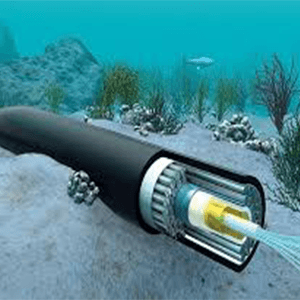
Submarine Cables
Submarine cables are laid underwater for long-distance communication and power transmission. They are engineered to withstand extreme pressure and environmental conditions. These cables play a vital role in global connectivity and offshore operations.
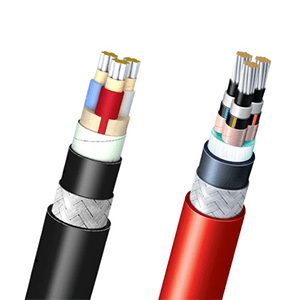
Ship Board Cables
Shipboard cables are specially designed for use within ships and marine vessels. They offer resistance to vibration, heat, and moisture. These cables ensure safe and efficient electrical and communication systems onboard.
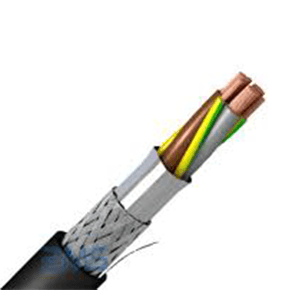
Control / Screened Cables
Control and screened cables are used in automation and control systems to transmit signals without interference. The screening protects against electromagnetic disturbances. These cables ensure precise and stable system performance.
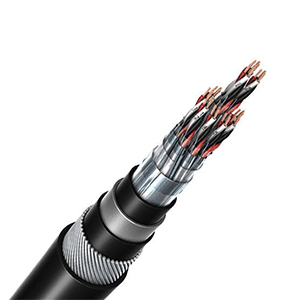
Instrumentation Cables
Instrumentation cables are used for transmitting low-level signals in monitoring and control systems. They are designed to minimize noise and ensure accuracy. These cables are essential for process industries and industrial automation.
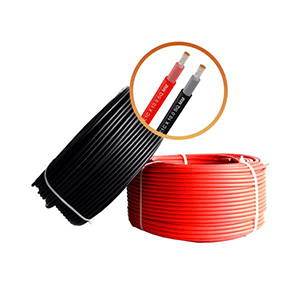
Solar Cables
Solar cables are specially designed for photovoltaic systems to connect solar panels and equipment. They offer excellent UV resistance, weather protection, and durability. These cables ensure efficient and long-term performance in solar installations.
Benefits of Industrial Cables
- High efficiency in power transmission with minimal energy loss
- Designed to handle heavy electrical loads safely
- Strong insulation for enhanced safety and durability
- Resistant to heat, moisture, chemicals, and harsh environments
- Available in armoured and unarmoured options for different applications
- Long service life with low maintenance requirements
- Fire-resistant and flame-retardant for added protection
- Suitable for both indoor and outdoor installations
- Supports stable signal transmission in control and instrumentation systems
- Reliable performance in demanding industrial conditions
Applications of Industrial Cables
- Power transmission in industries, factories, and manufacturing plants
- Used in control panels and automation systems
- Signal transmission in instrumentation and monitoring systems
- Electrical wiring in commercial buildings and infrastructure projects
- Used in power plants, substations, and heavy engineering units
- Suitable for underground and outdoor installations
- Application in marine, shipboard, and offshore environments
- Used in telecom, networking, and data communication systems
- Solar power systems and renewable energy projects
- Construction sites and temporary power distribution setups
